
Improve processing with heat exchangers
Heat recovery coil finned tube

Elevating global standards with exceptional, unmatched Dutch craftsmanship in advanced industrial heat exchange.
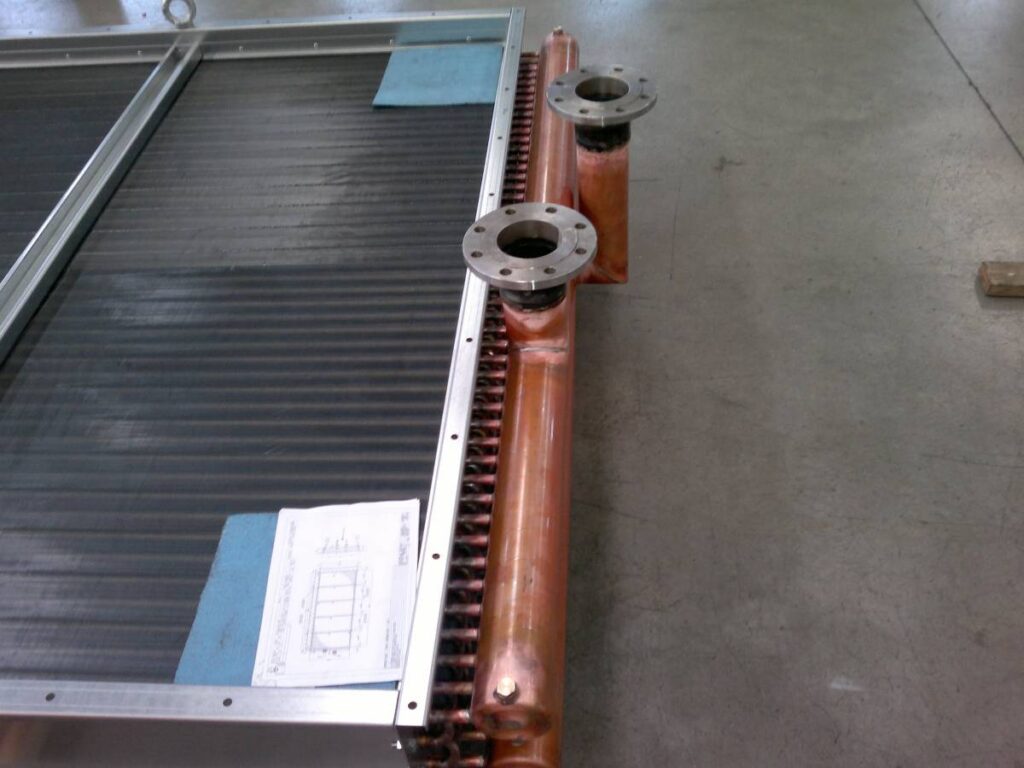
What is a Heat Recovery Coil Finned Tube?
A heat recovery coil finned tube is a specialized heat exchanger component designed to capture and reuse thermal energy from exhaust air or process streams. By integrating fins onto tubes, the system increases surface area and enhances heat transfer performance between fluids such as air, gases, or liquids. Commonly used in HVAC systems, refrigeration, and industrial processes, these coils improve energy efficiency by transferring heat from waste streams to incoming air or fluid flows. Materials like copper, aluminum, and corrosion-resistant alloys are selected to optimize thermal conductivity, durability, and long-term performance in demanding environments.
Unlocking Energy Efficiency Through Intelligent Coil Design
Material Selection and Thermal Performance
The performance of a heat recovery coil finned tube begins with selecting the right materials. Copper tubes paired with aluminum fins are widely used in HVAC applications due to their high thermal conductivity and excellent heat transfer coefficient. In more demanding industrial environments, materials such as Cu-Ni or stainless steel are chosen for their corrosion resistance and longevity. The combination of tube materials, metallic fins, and casing materials directly impacts fin efficiency and ensures consistent air-side heat transfer in energy recovery systems, refrigeration machinery, and power generation.
Fin Geometry, Density, and Surface Optimization
The geometry and arrangement of fins are critical to maximizing surface area and overall heat transfer performance. Designs such as louvered fins, spiral fin, helicoidal fins, and sine wave patterns are engineered to increase turbulence and improve thermal energy exchange. Fin density and custom fin spacing influence both heat transfer efficiency and pressure drop, requiring a precise balance for optimal airflow. Engineers carefully design finned tube coils to enhance air-to-fluid thermal transfer while maintaining acceptable air resistance and ensuring efficient operation in cooling systems and industrial drying processes.
Fluid Dynamics and System Integration
Efficient heat recovery relies on well-managed fluid flows on both the fluid side and air-side. Factors such as fluid velocity, coil arrangement, and multi-pass circuits affect the overall heat transfer coefficient and system performance. In applications like air handling unit systems, steam coils, evaporators, and hot and chilled water coils, proper design ensures minimal energy loss and reliable operation. Advanced features such as removable header cover plates, welded joints, and air-side sealing contribute to leak prevention and ease of maintenance, making finned coil heat exchangers a vital component in modern industrial and HVAC systems.

Download products reference list
Download the comprehensive product reference list for heat exchangers and cooling systems.
Dutch excellence in heat exchange
Customized solutions
With ICARUS Industrial, you're not just buying a product, you're engaging a partnership. Our direct sales model
Direct manufacturer benefits
Your unique needs are our command. We offer tailored heat exchanger solutions.
Lower total cost of ownership (TCO)
We go beyond performance with our heat exchangers, sculpting an unbeatable blend of.
Superior durability
Built from robust materials, our heat exchangers are a testament to resilience. They reduce maintenance
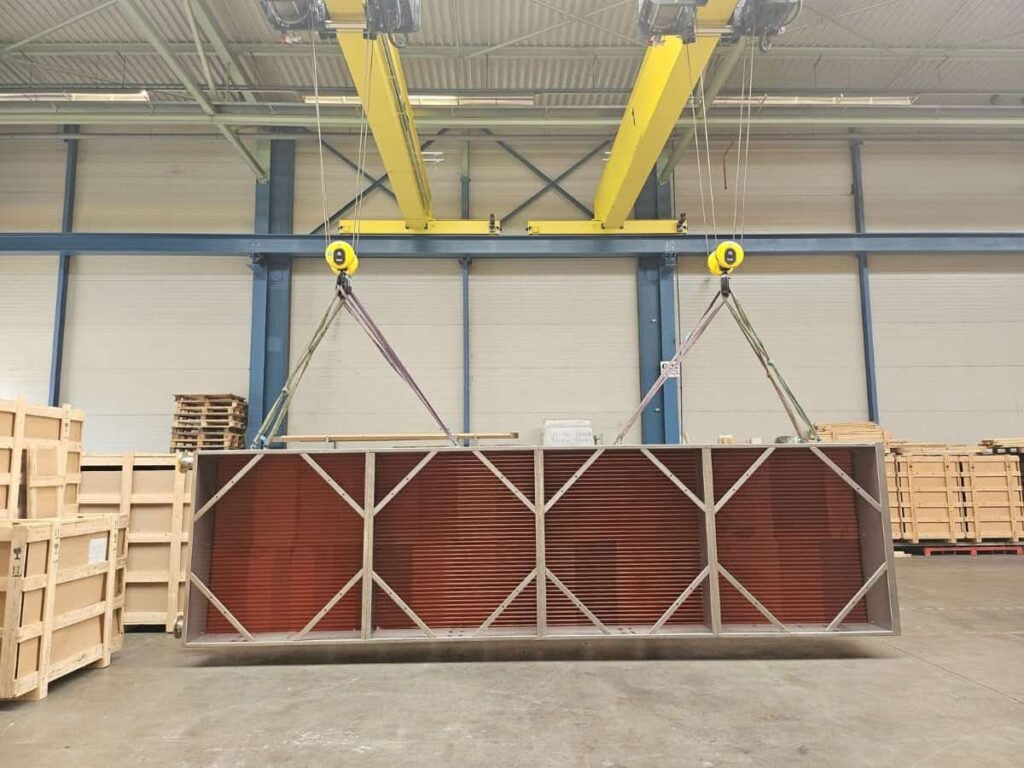
Engineered Heat Recovery with ICARUS
At ICARUS, we transform heat recovery coil finned tube technology into high-performance solutions tailored for modern industry. Our finned tube heat exchangers and finned tube coils are designed to maximize heat transfer, reduce energy consumption, and enhance system performance across HVAC systems, power plants, and industrial processes.
By combining advanced fin designs, optimized surface area, and premium materials such as copper and aluminum, we deliver reliable cooling systems and energy recovery solutions built for longevity. Partner with ICARUS to elevate your heat recovery strategy with precision-engineered finned tubes that meet your exact thermal and operational demands.
Request a quotation
Elevate your efficiency with Dutch-engineered solutions tailored for your needs. Fill out the details below, and our team will provide a personalized quote to help you harness the power of optimized energy in manufacturing. Step into the future, one quote at a time.
ICARUS Heat Exchangers
Quotation Form
FACTS ABOUT ICARUS
> 27
With over 27 years in business, we’ve carved out a reputation for excellence and innovation.
> 120+
Our global presence is marked by a diverse clientele of over 120 customers worldwide.
> 850+
Moreover, our portfolio boasts more than 850 completed projects.
FAQs about Heat recovery coil finned tube
What is the purpose of a heat recovery coil finned tube?
A heat recovery coil finned tube is designed to capture waste heat from exhaust air or process streams and reuse it within the system. This improves overall energy efficiency in HVAC systems, industrial processes, and power generation by reducing the need for additional heating or cooling.
Which materials are commonly used in heat recovery coils?
Common materials include copper and aluminum for their high thermal conductivity and efficient heat transfer. In more demanding environments, stainless steel or Cu-Ni alloys are used for their corrosion resistance and durability, ensuring long-term performance in industrial applications.
How does fin design affect performance?
Fin designs such as louvered, spiral, or helicoidal fins increase surface area and create turbulence, improving heat transfer efficiency. However, higher fin density can also increase pressure drop, so designs must balance airflow with optimal thermal performance.
Where are heat recovery coil finned tubes used?
They are widely used in HVAC applications, air handling unit systems, refrigeration, and industrial energy recovery systems. Typical applications include evaporators, steam coils, cooling coils, and process heat recovery in industries like petrochemicals and power plants.
What factors influence maintenance and longevity?
Maintenance requirements depend on material selection, operating conditions, and system design. Features like corrosion-resistant materials, proper air-side sealing, and robust welded joints help prevent fluid leaks and fouling, ensuring reliable performance and extended equipment lifespan.

