
Improve processing with heat exchangers
Heat Exchanger for Grain Drying

Elevating global standards with exceptional, unmatched Dutch craftsmanship in advanced industrial heat exchange.
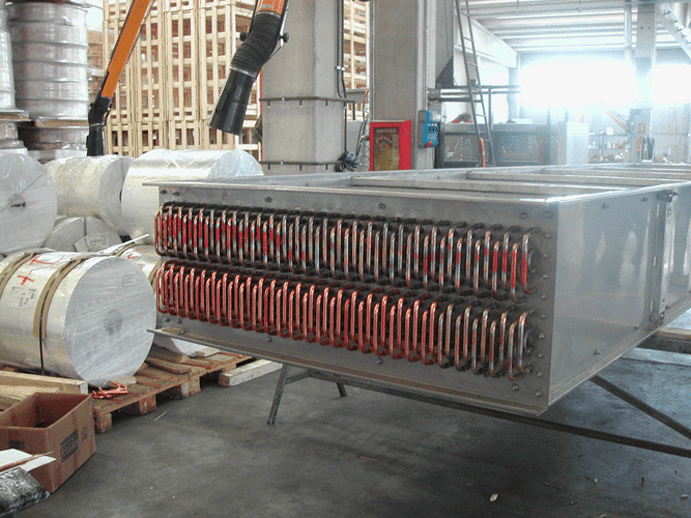
What is a Heat Exchanger for Grain Drying?
A Heat Exchanger for Grain Drying is an indirect heating system designed to provide clean, controlled warm air for drying cereals, corn, seeds, and other crops without exposing them to combustion gases. By separating the heat source from the drying air, the system protects crop quality while achieving stable drying temperatures and precise moisture control. Using finned tube heat exchanger technology, heat energy is transferred efficiently, supporting multipass, high-efficiency drying processes. This approach improves thermal efficiency, reduces energy costs, and ensures safe conditions for crop storage in silos, making it a cornerstone of modern grain drying operations.
Engineering Clean Heat for Crop Protection
Indirect Heat for Reliable Drying Performance
In grain drying applications, indirect heat is essential to preserve crop integrity. A heat exchanger for grain drying ensures that flue gases from oil burners, gas burners, or diesel oil systems never mix with the drying air. Instead, heat tubes and combustion chambers transfer heat energy safely to fresh air streams. This process delivers clean warm air at controlled drying temperatures, often reaching +55 °C, while maintaining optimal relative humidity and moisture levels. The result is consistent drying performance for cereals and corn, with reduced risk during long-term crop storage.
High-Efficiency Design and Energy Recovery
Modern finned tube heat exchangers are built for multipass, high-efficiency operation. Counter-flow air paths, plenum chambers, and carefully engineered air-to-air heat exchanger layouts maximize heat output while minimizing fuel consumption. High efficiency plug-fans overcome static pressure demands of up to 2.000 Pa, ensuring uniform airflow through silos and dryers. Heat recirculation and energy recovery further improve thermal efficiency, lowering overall energy costs and CO₂ emissions. Whether powered by liquid gas, propane, diesel heat exchangers, or biogas plants, these systems support sustainable drying processes.
Flexible Heat Sources and Regulatory Readiness
Grain dryers must adapt to local fuel availability and regulations. Heat exchanger systems can operate with gas fuel, oil burners, or a 300 kW dual stage diesel heat exchanger, offering flexibility across regions such as France, Ontario, and New Zealand. Features like removable panels, dedicated chimneys, and clearly defined air outlets simplify inspection and maintenance. Compliance with standards such as TSSA ensures safe integration into existing drying infrastructure, including downflow versions and red-dog dryer burner configurations, while maintaining reliable heat output for demanding agricultural cycles.

Download products reference list
Download the comprehensive product reference list for heat exchangers and cooling systems.
Dutch excellence in heat exchange
Customized solutions
With ICARUS Industrial, you're not just buying a product, you're engaging a partnership. Our direct sales model
Direct manufacturer benefits
Your unique needs are our command. We offer tailored heat exchanger solutions.
Lower total cost of ownership (TCO)
We go beyond performance with our heat exchangers, sculpting an unbeatable blend of.
Superior durability
Built from robust materials, our heat exchangers are a testament to resilience. They reduce maintenance
Partnering with ICARUS for Advanced Grain Drying Solutions
At ICARUS, we translate decades of heat exchange expertise into robust solutions for drying crops with confidence. Our finned tube heat exchangers are engineered to deliver clean, indirect heat for demanding grain drying environments, balancing thermal efficiency, energy recovery, and precise airflow control. From diesel and gas-fired systems to applications in modern silos, our designs support reliable moisture management and long-term crop storage. If you are seeking a high-performance heat exchanger for grain drying that aligns with efficiency goals and regulatory standards, we invite you to enquire with ICARUS and explore solutions crafted with precision and purpose.
Request a quotation
Elevate your efficiency with Dutch-engineered solutions tailored for your needs. Fill out the details below, and our team will provide a personalized quote to help you harness the power of optimized energy in manufacturing. Step into the future, one quote at a time.
ICARUS Heat Exchangers
Quotation Form
FACTS ABOUT ICARUS
> 27
With over 27 years in business, we’ve carved out a reputation for excellence and innovation.
> 120+
Our global presence is marked by a diverse clientele of over 120 customers worldwide.
> 850+
Moreover, our portfolio boasts more than 850 completed projects.
FAQs about Heat Exchanger for Grain Drying
Why is indirect heat important in grain drying?
Indirect heat prevents flue gases from coming into contact with crops. A heat exchanger for grain drying ensures clean warm air only, protecting cereals, corn, and seeds from contamination while maintaining stable drying temperatures and safe moisture levels for crop storage.
Which heat sources can be used with grain drying heat exchangers?
Grain drying heat exchanger systems can operate with gas burners, diesel oil, liquid gas, propane, oil burners, or even biogas plants. This flexibility allows operators to adapt to local fuel availability, energy costs, and emission requirements.
How does a finned tube heat exchanger improve efficiency?
Finned tube heat exchangers increase the heat transfer surface, enabling multipass, counter-flow designs with high thermal efficiency. Combined with heat recirculation and energy recovery, they reduce fuel consumption while delivering consistent heat output.
Can these systems handle high airflow and pressure requirements?
Yes. Modern designs incorporate high efficiency plug-fans capable of managing static pressures up to 2.000 Pa. Plenum chambers and optimized air outlets ensure uniform airflow through dryers and silos, even in large-scale operations.
Are grain drying heat exchangers compliant with regulations?
Heat exchanger systems can be engineered to meet regional standards such as TSSA in Ontario and regulatory frameworks in France and New Zealand. Features like chimneys, removable panels, and controlled combustion chambers support safe operation and straightforward inspections.


