
Improve processing with heat exchangers
PED compliant finned tube heat exchanger

Elevating global standards with exceptional, unmatched Dutch craftsmanship in advanced industrial heat exchange.
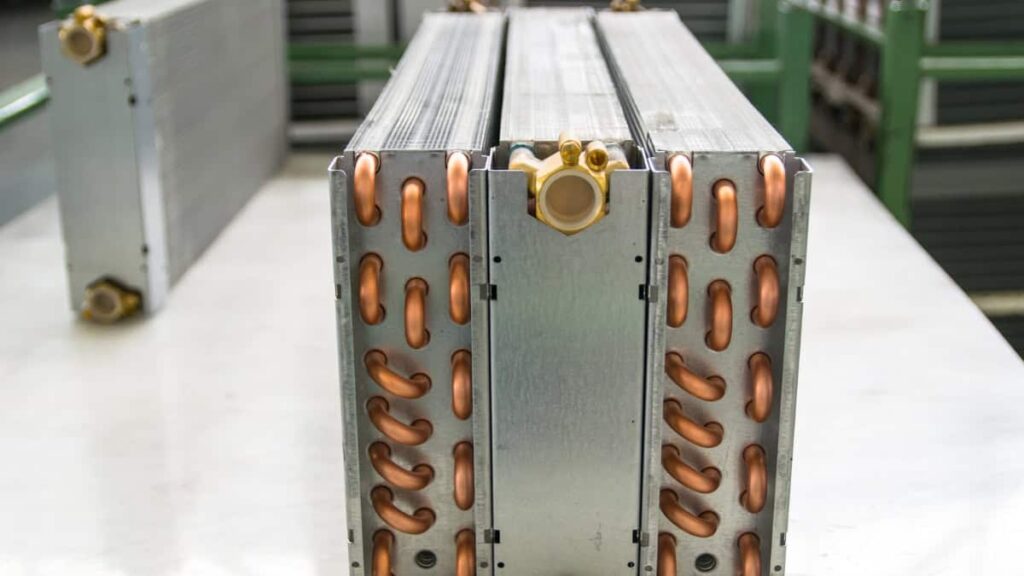
What is a PED Compliant Finned Tube Heat Exchanger?
A PED compliant finned tube heat exchanger is a heat transfer device designed and manufactured in accordance with the European Pressure Equipment Directive (PED), ensuring safe operation under defined pressure conditions. By combining finned tubes with pressure-rated construction, it enhances heat transfer efficiency through increased surface area while handling fluids such as water, refrigerant, or steam. Commonly used in HVAC applications, refrigeration, and industrial processes, these exchangers are built from materials like carbon steel, stainless steel, copper, or aluminum to ensure corrosion resistance, durability, and reliable thermal performance in demanding environments.
Designed for Compliance and Performance Across Europe
Materials, Standards, and Pressure Integrity
A PED compliant finned tube heat exchanger is engineered with a strong focus on safety, material integrity, and regulatory compliance. Built under the European Pressure Equipment Directive and often aligned with ASME and TEMA standards, these systems are designed to withstand demanding pressure conditions in industrial processes. Material selection plays a crucial role, with carbon steel shells, stainless steel construction, and copper or aluminum fins chosen for their thermal conductivity and corrosion resistance. Whether used in pressure vessels, storage tanks, or shell and tube heat exchangers, these materials ensure long-term durability and consistent thermal performance.
Fin Geometry and Heat Transfer Optimization
The integration of fins onto tubes significantly enhances the heat transfer surface area, improving overall surface efficiency and heat transfer performance. Designs such as extruded finned tubes, copper fins, and advanced 2D or 3D fin geometries are selected to optimize convective heat transfer coefficients. Engineers carefully balance fin efficiency, pressure drops, and airflow to achieve maximum heat transfer while minimizing energy consumption. This is particularly critical in HVAC applications, evaporators, and air-cooled heat exchangers, where efficient thermal exchange directly impacts system performance and operational costs.
Fluid Flow, Applications, and System Integration
Efficient fluid flow management is essential in PED compliant systems. Tube bundles, header boxes, and nozzles are designed to ensure uniform media flow while minimizing pressure drops across the system. These heat transfer devices are widely used in refrigeration, heat pumps, steam condensers, and energy recovery systems, supporting both water-cooled and air-cooled configurations. From hot and chilled water coils to refrigerant evaporators and thermal oil coils, finned tube heat exchangers play a vital role in modern cooling and heating systems, delivering reliable performance across diverse industrial and HVAC environments.

Download products reference list
Download the comprehensive product reference list for heat exchangers and cooling systems.
Dutch excellence in heat exchange
Customized solutions
With ICARUS Industrial, you're not just buying a product, you're engaging a partnership. Our direct sales model
Direct manufacturer benefits
Your unique needs are our command. We offer tailored heat exchanger solutions.
Lower total cost of ownership (TCO)
We go beyond performance with our heat exchangers, sculpting an unbeatable blend of.
Superior durability
Built from robust materials, our heat exchangers are a testament to resilience. They reduce maintenance
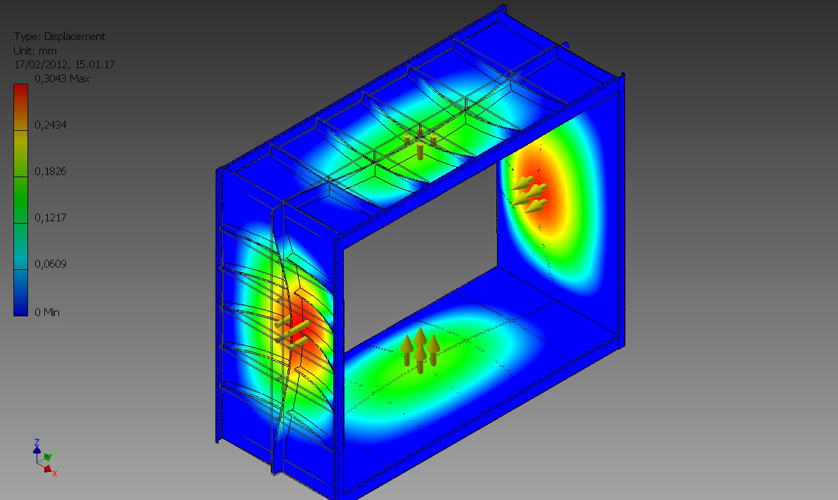
Trusted Performance with ICARUS
At ICARUS, we engineer PED compliant finned tube heat exchangers that combine safety, performance, and precision. Designed in accordance with European standards and aligned with ASME and TEMA guidelines, our solutions ensure reliable operation under pressure while maximizing heat transfer efficiency.
From HVAC applications and refrigeration to energy recovery systems and industrial processes, our finned tubes and tube bundles are crafted using high-quality materials such as copper, aluminum, and stainless steel. Partner with ICARUS to request a quote and discover durable, high-performance heat exchange equipment tailored to your exact requirements.
Request a quotation
Elevate your efficiency with Dutch-engineered solutions tailored for your needs. Fill out the details below, and our team will provide a personalized quote to help you harness the power of optimized energy in manufacturing. Step into the future, one quote at a time.
ICARUS Heat Exchangers
Quotation Form
Facts about ICARUS
> 27
With over 27 years in business, we’ve carved out a reputation for excellence and innovation.
> 120+
Our global presence is marked by a diverse clientele of over 120 customers worldwide.
> 850+
Moreover, our portfolio boasts more than 850 completed projects.
FAQs about PED compliant finned tube heat exchanger
What does PED compliance mean for heat exchangers?
PED compliance ensures that a finned tube heat exchanger meets the European Pressure Equipment Directive requirements for safety, design, and manufacturing. This guarantees the equipment can safely operate under pressure and meets strict European regulatory standards.
Why are finned tubes used in PED heat exchangers?
Finned tubes increase the heat transfer surface area, improving heat transfer efficiency. This allows for better thermal performance, especially in applications involving air-side heat transfer, while keeping the system compact and cost-effective.
Which materials are commonly used in PED compliant designs?
Typical materials include carbon steel, stainless steel, copper, and aluminum. These materials are selected based on thermal conductivity, corrosion resistance, and pressure requirements to ensure durability and long service life.
Where are PED compliant finned tube heat exchangers applied?
They are widely used in HVAC applications, refrigeration systems, heat pumps, and industrial processes. Common uses include evaporators, steam condensers, air-cooled heat exchangers, and energy recovery systems.
How do PED heat exchangers ensure reliable performance?
Reliable performance is achieved through proper design, certified manufacturing processes, and thorough pressure testing. Factors such as fluid flow, fin efficiency, and pressure drops are carefully optimized to deliver consistent thermal performance and safe operation.


